Key Takeaways
- The Nomads are energy-based lifeforms native to the Sirius sector — humanity arrived in their space
- In the base game, they infiltrated the four houses by possessing high-ranking government and military figures
- The Dom'Kavash are implied — not confirmed — to have had a relationship with the Nomads involving ancient alien technology
- The campaign ends with the immediate Nomad threat stopped but the larger mystery deliberately unresolved
- Discovery Freelancer expands the Nomad and Dom'Kavash lore significantly — this article covers vanilla canon only
Important note: This article covers Freelancer's base game (2003) only. Discovery Freelancer content is noted where mentioned and clearly labeled as non-canon fan material.
Table of Contents
Who the Nomads Are
The Nomads are not what most players expect from an enemy faction.
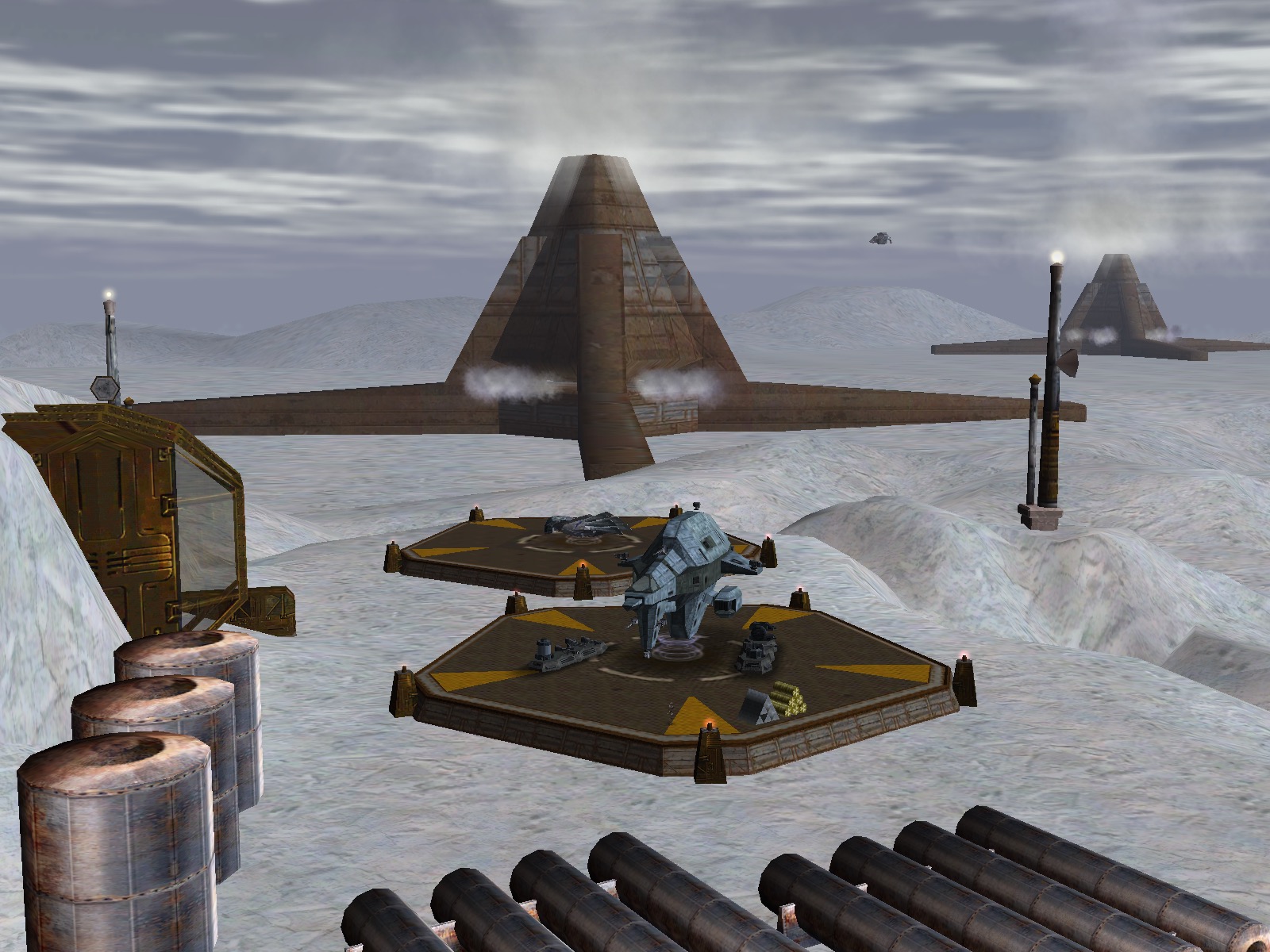
They are energy-based lifeforms. Not biological in the conventional sense — not humanoid, not carbon-based, not built in any way that parallels the things that built the jump gates and the trade lanes. They exist in a form that human science in the Sirius sector has difficulty categorizing or understanding. Their ships — the angular, alien vessels that appear in the deeper Omicron systems — are not machines in the sense that the Liberty Dreadnought is a machine. The relationship between a Nomad and a Nomad ship is not the relationship between a pilot and a fighter.
They have been in the Sirius sector far longer than humanity. The Sleeper Ships arrived approximately 800 years before the game's present. The Nomads were here before the Sleeper Ships arrived. This is not background lore — the game makes it a plot point. The Sirius sector is not empty space that humanity colonized. It is occupied space that humanity moved into.
The implications of that are what the game is building toward for most of the campaign, and the explicit statement of it — when it comes — is one of the more unsettling moments in a game that doesn't otherwise aim for unsettling.
The Reframe — Humanity as Intruder
Most space game stories position humanity as either victim (under alien attack) or hero (defending the galaxy). Freelancer does something less comfortable.
By the campaign's later missions, the player has killed a significant number of Nomads in the defense of house civilization. This feels like the obvious correct choice — the Nomads are hostile, they've been infiltrating the houses, they're a clear threat. The campaign's framing supports treating them as antagonists.
Then the game shows you, clearly and without editorializing, that the Nomads are native to this sector. They were here. Humanity arrived. Whatever arrangement the Nomads had with the Sirius sector before humanity showed up, it's gone now — humanity is here, has built civilization, and intends to stay.
The game does not resolve the ethical question this raises. It plants it and walks away. Whether the Nomads were defending their territory, whether humanity's presence constitutes a wrong that the Nomads are justified in opposing — the campaign presents the facts and lets the player sit with them. That's not an accident.
The campaign makes the reframe explicit in late missions through NPC dialogue and mission briefing text. If you're replaying and want to catch it, pay attention to what the Order tells you about the sector's pre-human history.
The Dom'Kavash Question
In the base game, the Dom'Kavash are implied. Not confirmed, not explained — implied.
The game includes references to an ancient alien civilization that preceded even the Nomads' presence in Sirius. Archaeological sites exist in the deep Omicron systems. Certain structures in Nomad space show design characteristics that don't match Nomad aesthetics. The implication — and it is carefully stated as implication — is that the Dom'Kavash were a spacefaring civilization that either created the Nomads, used them as weapons, attempted to contain them, or had some other relationship that the available evidence doesn't fully explain.
This is the game operating on two levels simultaneously. The surface level: the Nomads are the enemy, the player fights them. The deeper level: the Nomads exist within a larger context that the game is showing you pieces of without assembling.
The Dom'Kavash are never shown. Their civilization is never described in complete terms. The game is careful not to overstate what it can support with in-game evidence. This restraint is deliberate — the mystery of the Dom'Kavash is the sequel hook, the thing that the campaign's ending doesn't resolve.
Nothing in this article beyond this point speculates about Dom'Kavash origin, nature, or relationship to the Nomads beyond what in-game evidence supports.
How the Infiltration Worked
The Nomads' method of influence in the houses — the mechanism behind the political tensions and escalating aggression the campaign exposes — operates through possession.
The game reveals this gradually. High-ranking figures in the government and military of each of the four houses were hosts for Nomad entities. The possession is not obviously visible. The affected individuals appear human, behave mostly human, and operate within normal societal structures. The influence is at the decision-making level — trade policy, military deployment, political positioning.
The campaign reveals which figures were affected over the course of the mid-to-late missions. The reveals reframe events from earlier in the story — actions that seemed like politics or aggression now have a different explanation. The mechanism the game uses is planted evidence: dialogue, mission briefings, and faction behavior that hints at something wrong before the explanation arrives.
The details of which characters were affected and how the campaign's story uses this are significant spoilers. This article stops here on purpose — the discovery is part of why the campaign is worth playing.
What the Campaign Shows
The base game's Nomad content covers: the discovery of Nomad presence in house government, the nature of the possession mechanism, the immediate threat to Sirius civilization, and the existence of the Order as the organization that had known about the Nomads longest.
The ending of the campaign neutralizes the specific Nomad threat the story has been building toward. Edison Trent's arc concludes. The immediate crisis is resolved.
What remains: the Nomads are not gone. The sector they are native to exists. The Dom'Kavash structures are still there. The Order continues operating. The ethical question of humanity's presence in Nomad space is raised and left standing.
The campaign is 48 missions. It ends. The credits roll. The deeper questions don't.
What the Game Deliberately Left Open
These are open questions in the base game — not answered, not accidentally omitted, but structurally left for a sequel that never came:
What was the Dom'Kavash, and what was their relationship to the Nomads? What are the Nomads' actual motivations — is the infiltration an act of war, self-defense, or something that doesn't translate into human terms? What are the deep Omicron systems that the campaign mentions but doesn't fully explore? What does the Order know that it hasn't shared?
The game made these open deliberately. The design treats them as the starting point for what would come next, not as loose ends that should have been tied up.
A sequel set in the immediate aftermath of the campaign, following Trent or a new protagonist deeper into Nomad space with the Dom'Kavash as the next discovery — that was the obvious trajectory. It was never made.
Why It Felt Unfinished — A Legitimate Criticism
Many players finished the campaign and felt unsatisfied. This is a reasonable response.
The campaign is relatively short for the depth of lore it establishes. The Nomad storyline specifically raises more than it resolves. Players who engaged with the lore — who talked to the bartenders, followed the rumour threads, pieced together the Hispania backstory — found a universe with more history than the game's runtime allowed it to explore.
This is not the same as poor writing. The campaign's Nomad storyline is well-constructed — the reveals land, the reframe works, the ethical complication is genuinely interesting. The frustration is not with quality but with scope. The game built something it couldn't finish in the time it had.
Acknowledging this is part of being honest about what Freelancer is. It's a great game with an unresolved story. Both things are true.
What the Community Built
In Discovery Freelancer (non-canon fan content, clearly labeled):
Discovery's developers built significantly on the Nomad and Dom'Kavash thread over twenty-plus years of continuous development. The mod adds new Nomad systems, new Dom'Kavash structures and lore, new Order content, and an extended alien narrative that takes the base game's implications and develops them into a fully articulated extended universe.
This is impressive work. Discovery's Nomad lore is extensive, internally consistent, and has been refined through years of community discussion and development. For players who want to explore the direction the base game was pointing, it's the most complete available version.
But it is fan content. It is not the sequel Digital Anvil would have made. It's not the official continuation of the vanilla storyline. It is Discovery Freelancer's interpretation — creative and worth engaging with on those terms.
This site's other lore articles cover vanilla Freelancer only. For Discovery's extended universe, the official documentation is at discoverygc.com.
Sources
- Freelancer campaign — mission dialogue and briefings (primary source)
- In-game bartender dialogue and rumour system (primary source)
- The Starport forum — Nomad lore analysis threads: https://the-starport.com
- Discovery Freelancer — extended lore documentation (secondary source, fan content): https://discoverygc.com
- Contemporary 2003 reviews noting the open ending (GameSpot, IGN, archived)